Use A Quick Root-Zone Check Before Reaching For Feed

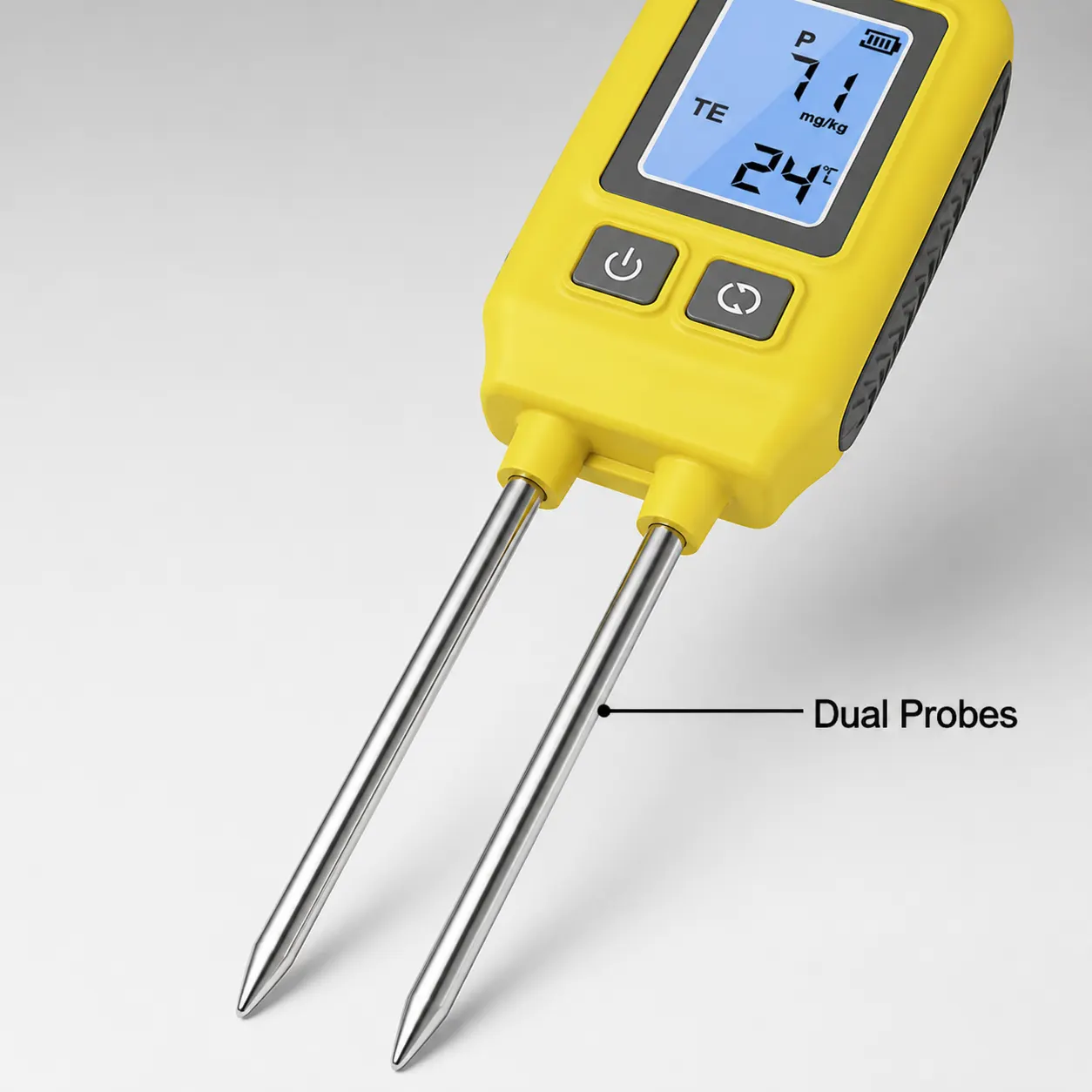
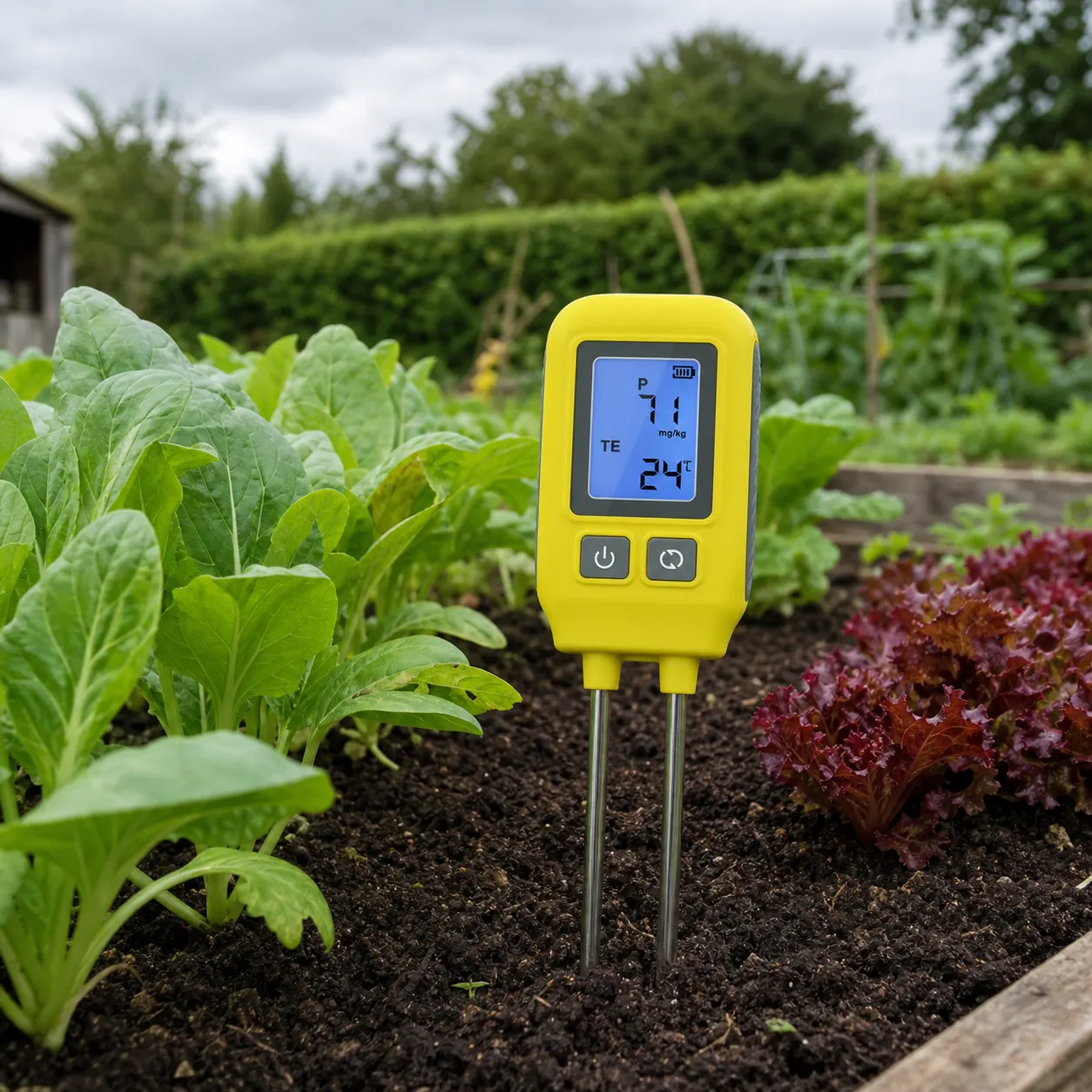
Digital Soil Fertility Tester controls and screen

A soil nutrient tester for potted plants is most useful when you treat it as an early decision aid, not as a final diagnosis. If a potted chilli in a Sheffield kitchen, a pelargonium on a patio table or a tomato in a small greenhouse suddenly looks tired, the first practical move is to check the soil where the roots are actually sitting before adding more fertiliser. A digital soil fertility tester such as the SGS09 is listed as a soil testing instrument for potted planting and gardening, with 0.1 measurement accuracy in the archived attributes, so its role is to give a readable check you can use alongside the plant’s symptoms and recent care history.

The useful decision is rarely “feed or do nothing” in isolation. Yellow leaves, weak growth and poor flowering can also point towards watering stress, exhausted compost, compacted roots, recent repotting shock or a plant simply being in the wrong place. A reading can help you pause before doubling up on liquid feed, changing compost unnecessarily or guessing from leaf colour alone. For UK gardeners working across a kitchen windowsill, a greenhouse shelf and a small patio, the value is speed and repeatability: you can check several pots in the same session and record what you find before deciding what deserves attention first.

Match The Tester To A UK Potting Bench Problem

Potted plants behave differently from open garden beds because the root zone is small, enclosed and often watered from above. Nutrients can be used up, washed through or made less available when compost swings between wet and dry. On a Bristol balcony or a Manchester terraced-house yard, the same bag of compost might hold a basil pot, a flowering container and a tomato planter, yet each plant can be under a different level of demand. A handheld digital soil fertility tester fits this kind of job because the question is local: what is happening in this pot, near these roots, today?

That setting matters because broad advice can be too blunt. “Feed weekly” may be sensible for one container but too much for another if the compost is already rich or the plant is struggling for a different reason. A digital readout also suits gardeners who dislike colour-chart kits, especially when light in a shed or kitchen makes colour matching uncertain. The SGS09’s documented facts are modest but relevant: it is a digital soil fertility tester, identified as a soil testing instrument, and listed for potted planting and gardening applications. That is enough to frame it as a practical gardening aid for checks around pots, planters and small growing spaces.

Check The Documented Facts Before Trusting The Reading

The sensible buyer’s question is not whether a home tester replaces full professional soil analysis. It does not need to do that to be useful. The SGS09 is documented as a digital soil fertility tester and soil testing instrument, with potted planting and gardening listed as applications. Its attributes also list 0.1 measurement accuracy. Those are the facts to use when deciding whether it fits your task. They support a role on the potting bench, greenhouse staging or garden table where you want a quick, repeatable read before making routine gardening decisions.

What the documented facts do not say is just as important. They do not provide a full lab-style nutrient report, named certifications, crop-specific fertiliser prescriptions, test-method details or outcomes for every plant type. They also do not prove that every sick plant is suffering from a nutrient issue. If your peace lily has yellowing leaves in a heated flat in Leeds, the reading should be interpreted with the recent watering pattern, pot drainage, root crowding and compost age. A home fertility reading is one clue in a short investigation, not permission to ignore the rest of the plant’s conditions.

Spot Mismatches Before You Buy For Houseplants Or Pots

This type of tester is a poor match if you want a formal diagnosis for a high-value crop, a laboratory certificate, or a precise amendment plan for a large commercial growing area. It is also not the right answer if the real problem is obviously physical: a pot with no drainage, sour-smelling saturated compost, a plant wedged in a tiny root-bound container or leaves scorched by a cold window. In those cases, a number may distract from the more visible fix. The tool is strongest when the symptoms are ambiguous and you need another data point before acting.

It may also disappoint anyone expecting one reading to explain the whole plant. Pots can vary from top to bottom, and dry compost can behave differently from evenly moist compost. Recently fed plants, freshly repotted containers or compost mixed with new amendments may give a picture that needs context. The honest use is to test in a consistent way, compare similar pots, and repeat checks when the growing conditions have settled. That is particularly relevant for sceptical shoppers who have tried cheap probes or colour kits and want something clearer without pretending it is a professional agronomy service.

Run A Potting Bench Sequence In The Same Order Each Time

A consistent sequence makes a home reading more useful than a random poke into compost. Start at the potting bench or kitchen table by naming the plant, the pot and the symptom: yellow lower leaves, stalled new growth, poor flowering or weak stems. Then note the simple care facts you already know: when it was last fed, whether it has been repotted recently, whether the compost has been drying hard between waterings, and whether the pot drains freely. This prevents the reading from being treated as the only evidence.

Next, use the tester as a soil check around the root zone rather than as a test of loose compost from the bag. Compare the result with another similar pot if you have one, especially if one plant is thriving and the other is not. Record the reading rather than relying on memory. Then decide on the smallest sensible action: adjust feeding, hold back from feeding, inspect roots, improve watering consistency or plan a compost refresh. This sequence suits a small UK greenhouse bench just as well as a row of herbs on a kitchen windowsill because it keeps the decision tied to the plant in front of you.

Use This Checklist Across Pots, Planters And Greenhouse Trays

A useful working checklist is simple enough to repeat. Check the plant setting first: indoor windowsill, patio pot, greenhouse tray or raised planter. Check the symptom next: yellowing, weak growth, poor flowering or no obvious problem. Check the soil surface: crusted, very dry, waterlogged, compacted or recently topped up. Check setup: drainage holes, saucer water, pot size and whether roots may be crowded. Check content: old compost, fresh compost, recent feed or recent amendment. Check environment: cold glass, strong sun, indoor heating, greenhouse heat or uneven watering.

Only after those checks should you give the soil reading its proper weight. The SGS09 is listed for potted planting and gardening, so it belongs in this practical sequence rather than in isolation. If several pots with similar compost show different plant responses, the issue may be plant demand, watering or roots rather than fertility alone. If similar struggling pots show a pattern, the reading may help you decide whether feeding or compost attention is worth considering. Aftercare should be measured too: once you change one thing, give the plant time before changing three more variables.

Compare A Digital Fertility Check With Other Soil Testing Routes

For a home gardener, the main comparison is between a reusable digital tester, a colour-based kit and a professional soil analysis. A colour kit can be affordable and familiar, but some gardeners find the matching stage fiddly, especially under poor light. A lab route can be more detailed, but it may feel excessive when the question is whether several potted plants on a Nottingham patio need closer soil attention. A digital soil fertility tester sits between those routes: clearer to read than colour matching for many people, reusable across multiple pots, and practical for routine checks.

That middle position should shape expectations. It is not a replacement for expert analysis where the stakes are high or where you need a formal report. It is also not simply a moisture probe or a fertiliser product. Its job is to help you gather a soil fertility clue from the growing area you are managing. For comparison shoppers, the important buying discipline is to look for plain claims and documented facts. In this case, the documented facts say digital soil fertility tester, soil testing instrument, potted planting and gardening applications, and listed 0.1 measurement accuracy. Avoid reading more into the product than those facts support.

Take The Next Step Without Turning One Reading Into A Guess

If your main problem is a few unhappy potted plants, the grounded next step is to build a small evidence habit. Test the pot that looks wrong, test a similar pot that looks healthy, write both readings down, and check the obvious setup issues before adding anything. This helps you avoid the common cycle of feeding because leaves are yellow, then repotting because feeding did not work, then changing watering because the plant still looks tired. A quick digital check can slow that cycle down and make each move more deliberate.

For buyers, the decision is straightforward. Choose a soil nutrient tester for potted plants if you want a reusable, readable gardening aid for pots, planters and greenhouse growing, and if you are comfortable using the result alongside symptoms, watering history and compost condition. Do not buy one expecting a complete laboratory diagnosis or a guaranteed cure for yellow leaves. The best use is modest and practical: keep it near the potting bench, test consistently, compare like with like, and make the smallest change that matches the evidence you have.